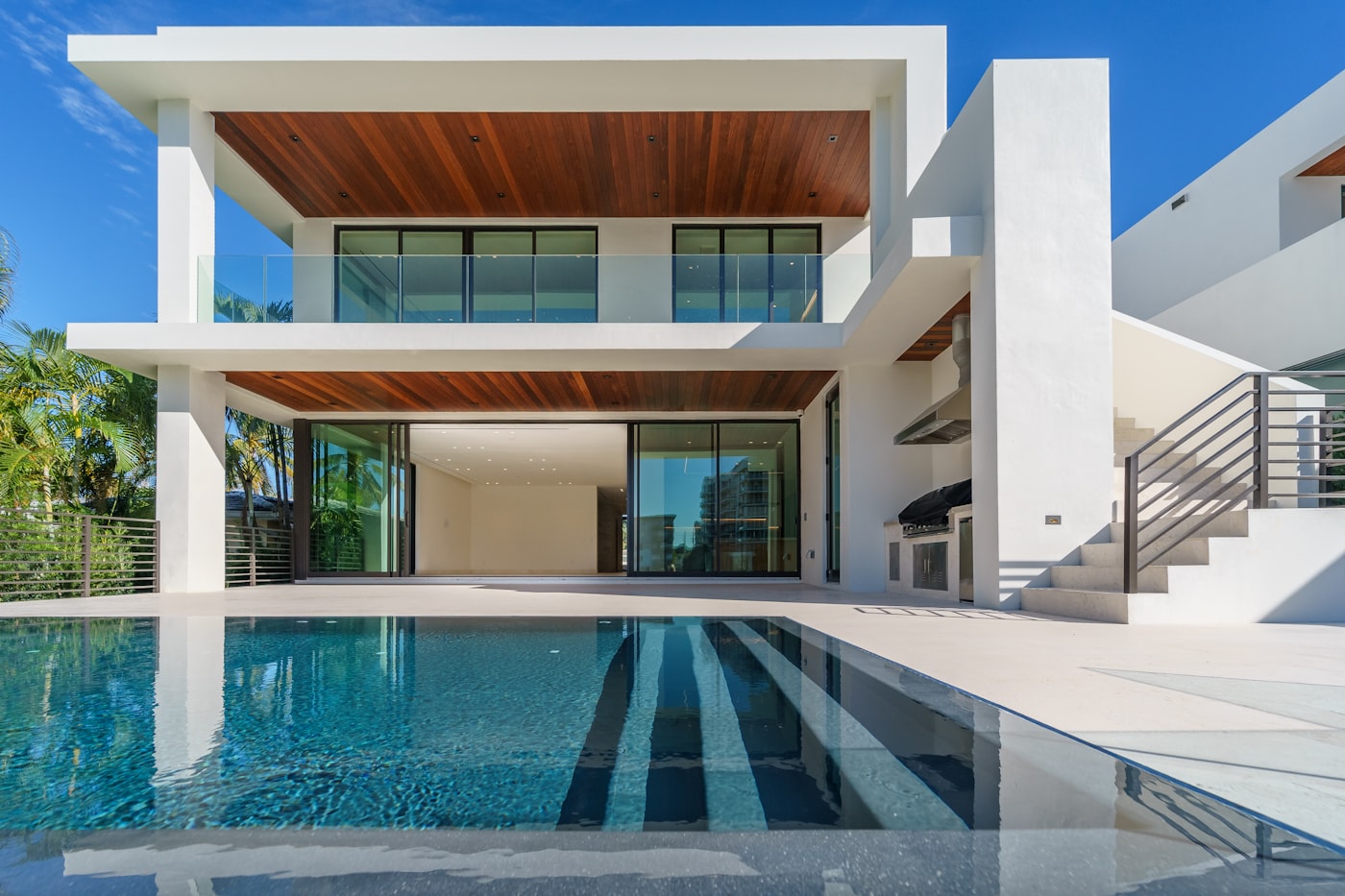
Selling property in Dubai follows a fairly well-defined sequence, and understanding the stages in advance makes the whole process considerably less stressful — whether you're selling a long-held family home or an investment unit.
Start with a proper market valuation based on recent comparable sales in your building or cluster, not just online estimate tools, which can be considerably off for less standard units or unusual layouts.
You'll need a No Objection Certificate (NOC) from the developer confirming no outstanding service charges, plus your original title deed and any mortgage clearance documentation if the property was financed.
Once you've agreed a price with a buyer, you'll typically sign a Form F memorandum of understanding and collect a deposit — commonly around 10% — before proceeding to the final transfer stage.
The sale is finalised at a Dubai Land Department registration trustee office, where remaining funds change hands and a new title deed is issued in the buyer's name.
Selling well in Dubai is less about a single clever tactic and more about having the paperwork and pricing right from day one.